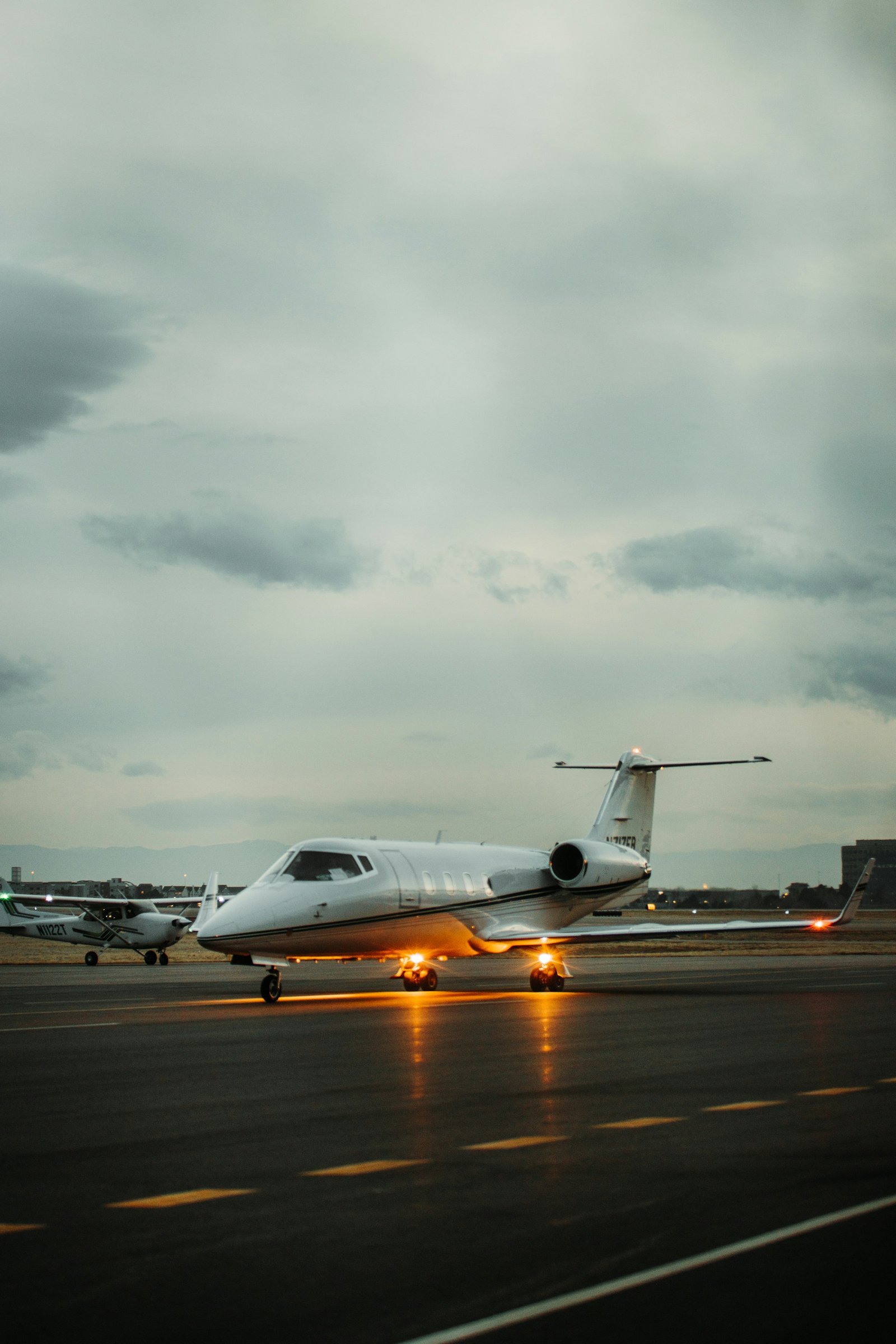
Describe the surface, then discuss the result
An exterior appearance request often begins with a visual concern: dull paint, visible residue or uneven-looking polished trim. Those observations are useful starting points, but they do not identify the finish or establish the right treatment. Start by collecting the aircraft and finish information available from the operator.
PPG describes both aerospace basecoat/clearcoat technology and its specific paint systems. [1] That is one reason not to treat every aircraft paint finish as interchangeable. Our planning recommendation is to identify the installed system and its care instructions before comparing correction or protection proposals.
Separate cleaning from changing a finish
Ask whether the proposed work is limited to removing surface soil or intends to alter the appearance through polishing, refinishing or a protective application. The answer affects the approval discussion. Do not allow a broad package name to replace a written description of the work.
Part 43 lists certain refinishing and protective-material tasks within preventive maintenance. [2] The operator and qualified maintenance personnel should determine the applicable boundaries for the actual project. This guide does not authorize polishing, prescribe an abrasive process or decide who may perform a particular task.
Do not make every blemish a detailing target
FAA guidance treats corrosion identification and treatment as part of an aircraft corrosion program. [3] A cosmetic appointment should not become an informal corrosion repair. If the condition is unclear, the responsible technical contact needs to decide how it is assessed.
Our suggested owner brief distinguishes confirmed dirt from concerns that have not been diagnosed. Include previous repairs or refinishing if known. Avoid requesting aggressive work simply because a mark remains visible after ordinary cleaning, and do not make a photograph the sole basis for a technical diagnosis.
Ask precise questions about protection
A proposal for a coating or sealant should name the product, intended surfaces, preparation, exclusions and relevant compatibility documentation. Ask how the recommendation relates to the aircraft’s current finish and operator requirements. Marketing terms alone do not establish suitability.
Our recommendation is to request the actual warranty terms if a warranty is offered, including who provides it and what conditions apply. Do not equate a product certificate with aircraft maintenance authorization, airport permission or insurance. No coating certification, warranty or coating service is claimed for VentureWash by this article.
Agree on what can honestly be achieved
Before-and-after expectations should reflect the approved scope and known condition. Our suggested agreement identifies limitations in advance, including areas excluded from treatment and findings that require another decision. An appearance improvement should not be represented as restoration of structural condition.
When requesting exterior care, provide representative photos, aircraft details and any available finish records. VentureWash Aircraft Detailing can review an inquiry, but specialty work requires individual confirmation. The practical objective is an informed scope that respects the aircraft and can be evaluated without promises of a perfect finish or unverified protection benefits.
Sources & further reading
- [1] PPG Aerospace — Aircraft basecoat and clearcoat systems ↗
- [2] eCFR — 14 CFR Part 43, including Appendix A ↗
- [3] FAA — AC 43-4B, Corrosion Control for Aircraft ↗
Always use the current instructions applicable to the aircraft and its installed equipment.
Explore aircraft service scopes or discuss your aircraft below.
Connect the guide to your airport
Michigan City & La Porte · MGC / PPO →
Kankakee & Bourbonnais · IKK →
Keep exploring
How to coordinate mobile aircraft detailing with an airport or FBO →
Aircraft carpet cleaning: what to confirm before shampooing →